
Mental Health
Tour Mental Health Riders Are Growing — But Nina Says We Still Need More
By Nina Capone · July 13, 2026Weekly · Editorial Assist
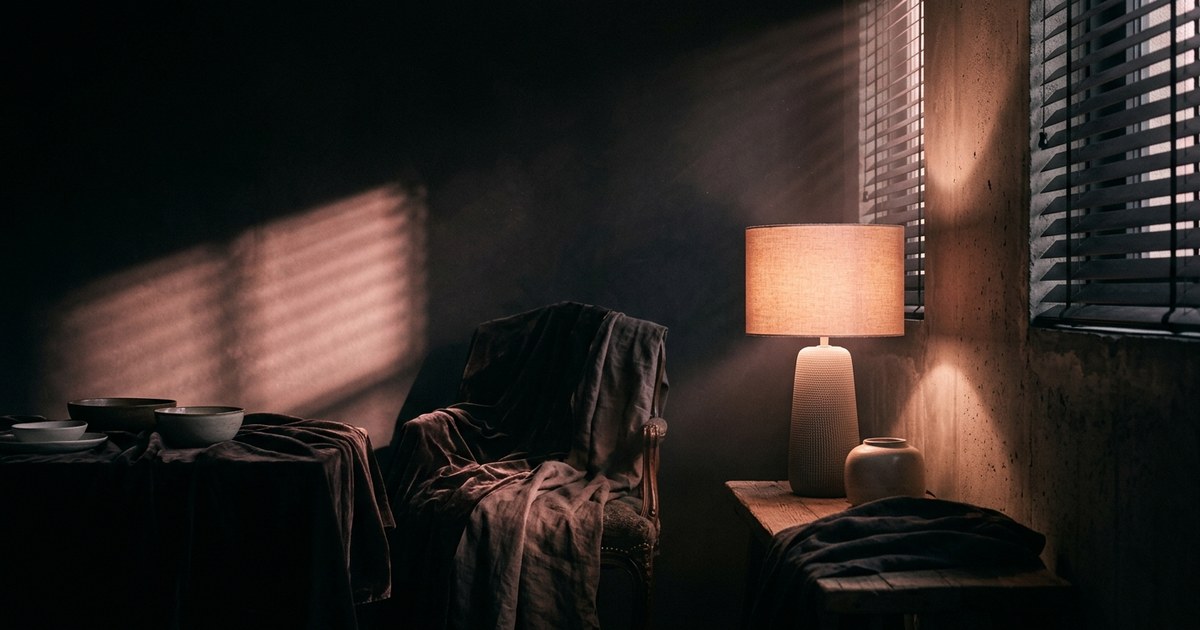
There's a quiet shift happening in the music industry right now. Over the past two years, mental health riders — contract clauses that guarantee therapy access, quiet spaces, and wellness accommodations on tour — have moved from rare to almost expected at major label and festival levels. Artists are finally saying out loud: I need support to do this work safely.
Big names have led the charge, and their teams are building in things like on-site counselors, designated low-stimulus green rooms, and scheduled rest days. It's not about being 'soft.' It's about being smart. Touring can wreck your mental health if you don't build in protection. I've seen it. I've lived it.
For artists dealing with social anxiety, agoraphobia, or sensory overload like I do, these riders can mean the difference between finishing a tour and having a breakdown in a venue bathroom. Knowing there's a quiet room I can retreat to, or that I won't be forced into overstimulating afterparties, gives me room to breathe. It makes the work possible.
But here's my take on what's still missing: most of these riders only exist at the top. If you're an independent artist like me, hustling your own bookings, playing small venues and DIY spaces, you don't have a team negotiating wellness clauses. You're lucky if you get a green room at all, let alone one that's quiet or safe. The support gap between major-label artists and independents is massive, and mental health resources reflect that gap.
I also think we're still not talking enough about what happens after the tour ends. A rider might get you through six weeks on the road, but what about the crash that comes when you're back home, alone, dealing with the adrenaline drop and the isolation? That's when a lot of us spiral. We need ongoing peer support and affordable therapy access that doesn't disappear when the contract does.
There are some bright spots. Organizations like Backline and the Recording Academy's MusiCares are expanding mental health grants and free counseling networks for working musicians. Peer-led support groups are popping up in cities across the country. These grassroots models matter because they're built by people who understand what it's like to navigate this industry while managing mental illness.
I want to see more venues adopt basic mental health accommodations as standard practice, not just for headliners. A quiet corner. Dim lighting options. Clear communication about schedule and expectations. These things don't cost much, but they signal that the space sees us as whole people, not just content generators.
The conversation is changing, and I'm grateful for that. But we've got to keep pushing for access that reaches beyond the top tier. Mental health support shouldn't be a luxury reserved for artists who've already 'made it.' It should be foundational for everyone trying to create and survive in this space.
If you are in crisis, call or text 988 (US) or visit findahelpline.com.