
Mental Health
My Pre-Show Toolkit: Getting Through Sensory Overload When the Lights Hit
By Nina Capone · July 6, 2026Weekly · Editorial Assist
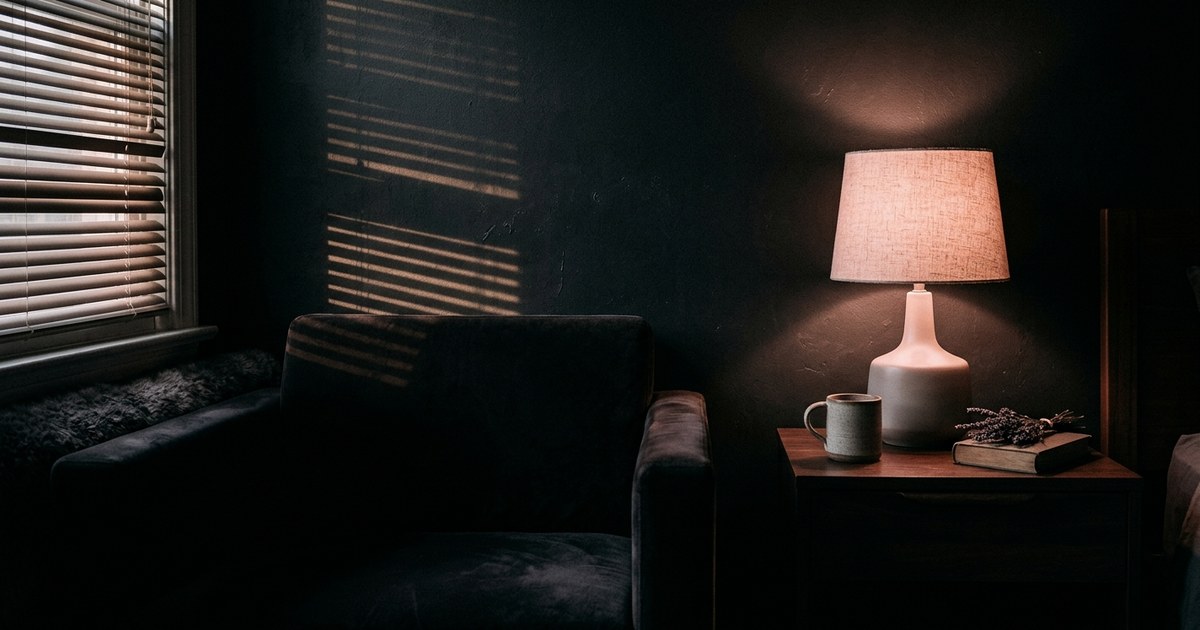
I'm gonna be honest with you — I still get that chest-tight feeling when I walk into certain venues. The kind where the bass is already thumping through the floor, someone's wearing half a bottle of cologne, and the stage lights are so bright you can feel the heat before you even get close. My body reads all of that as threat, even when my mind knows I'm safe. That's sensory-triggered anxiety, and it doesn't ask permission.
Over the years, I've learned I can't always control the environment, but I can control what I bring with me and how I move through it. My pre-show toolkit isn't about being perfect or pretending I'm not anxious. It's about giving myself options when my nervous system starts to spike. Some nights I need all of it. Some nights I need none of it. Either way, I'm ready.
First thing in my bag: loop earplugs. Not the foam ones — the kind musicians use that bring the volume down without muffling everything. I can still hear my cues and talk to people, but it takes the edge off that wall-of-sound feeling that makes my heart race. I also keep a small pair of sunglasses, even for indoor shows. If the stage lights or camera flashes start feeling like too much, I can throw them on during soundcheck or between sets. It's a simple boundary that helps me stay present.
I also carry a small roller bottle of peppermint oil. When the air feels thick or someone's perfume is choking me out, I dab a little under my nose or on my wrists. It gives me something clean to focus on and helps me breathe deeper. And I always have gum or mints — something small to ground me in my mouth and jaw when I feel my breathing get shallow. These aren't magic fixes, but they give my brain something else to do besides panic.
Before I go on, I find a quiet corner — a hallway, a bathroom stall, even outside by the loading dock — and I do what I call my 'five-breath reset.' I breathe in for four counts, hold for four, out for six. I do that five times. It doesn't make the anxiety disappear, but it brings my heartbeat down enough that I can think clearly. I remind myself that I've done this before. That I can leave if I need to. That my safety matters more than the performance.
And that's the other piece: my exit protocol. I tell at least one person on my team, 'If I tap you twice on the shoulder or text you the word OUT, I need to leave right now, no questions.' I scope out where the exits are as soon as I arrive. I give myself permission, out loud, to step off stage or leave the room if my body is telling me it's too much. Most of the time, just knowing I can leave makes it easier to stay.
Some people think this kind of preparation is overkill. But for those of us living with sensory-triggered anxiety, it's survival. It's the difference between showing up and showing up safely. It's the difference between pushing through until we break and honoring our limits so we can keep going. I don't perform in spite of my anxiety anymore. I perform with strategies that respect it.
Your toolkit will look different than mine. Maybe it's a weighted lap pad in the green room, a specific playlist in your headphones, or a friend who knows your signals. Build it slowly. Test it out in lower-stakes environments first. And remember: needing accommodations isn't weakness. It's wisdom. It's you taking care of the body that has to carry you through the noise.
If you are in crisis, call or text 988 (US) or visit findahelpline.com.